
Gold (XAU/USD) Rebounds Near $3,900 Amid Inflation Concerns and Interest Rate Outlook
Gold prices edged higher near $3,900 despite inflation worries and expectations of a US interest rate hike. Market dynamics remain sensitive to economic
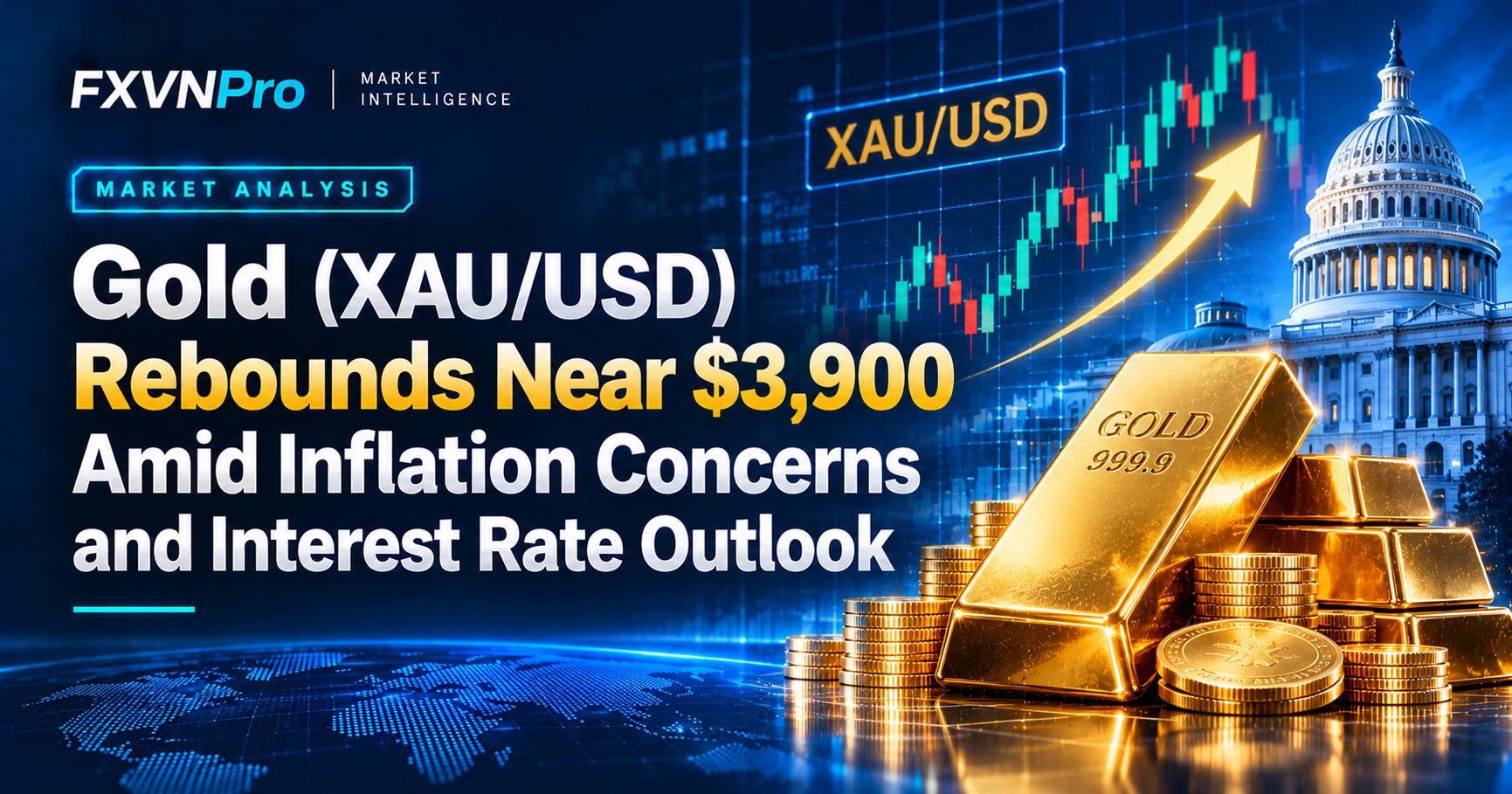
Gold Price Movement and Inflation Concerns
As of early Asian trading on November 2, 2026, gold prices (XAU/USD) recovered some ground to approach $3,895 after dipping to a recent low of $3,870. This rebound comes amid persistent inflation worries and elevated oil prices, which have reinforced market expectations of a potential US interest rate increase.
Despite the recovery, the upside for gold appears limited. The precious metal is facing selling pressure as investors weigh the impact of higher interest rates, which increase the opportunity cost of holding non-yielding assets like gold. The Federal Reserve maintained rates steady at its October meeting but remains committed to reducing inflation. Market tools such as the CME FedWatch indicate about a 72.9% probability of a rate hike in December, reflecting ongoing uncertainty.
Economic Data and Geopolitical Factors Influencing Gold
Recent US economic data, including a core Personal Consumption Expenditures (PCE) inflation rate of 3.1% year-over-year and stronger third-quarter GDP growth, have reinforced the resilience of the US economy. These figures offer limited reason for markets to reduce expectations of further tightening by the Federal Reserve.
Geopolitical tensions also contribute to market uncertainty. Renewed attacks by Ukraine on Russian oil refineries and directives from Iran’s Supreme Leader to prepare for confrontation with the US and Israel add layers of risk that could influence investor behavior and safe-haven demand for gold.
FXVNPro Market Perspective
Gold’s price dynamics are closely linked to the interplay between inflation data, interest rate expectations, and geopolitical developments. Higher interest rates tend to raise the opportunity cost of holding gold, potentially limiting its appeal despite inflationary pressures that traditionally support precious metals.
Market participants monitor incoming economic data for signs that could shift the Federal Reserve’s policy stance. A pause or reduction in rate hikes could ease selling pressure on gold, while persistent inflation and geopolitical risks might sustain demand. Additionally, movements in US Treasury yields and oil prices influence gold’s relative attractiveness, as lower yields typically support gold prices by reducing opportunity costs.
Trading Scenarios
- If upcoming US economic data signals a slowdown in inflation or weaker growth, then markets may reassess the likelihood of a December rate hike, potentially easing selling pressure on gold and supporting a price rebound above current levels near $3,900.
- If inflation remains elevated and geopolitical tensions intensify, then expectations for higher interest rates could persist, maintaining downward pressure on gold prices despite intermittent rebounds.
What Traders Should Watch
- US inflation indicators and employment data for signs of changing Federal Reserve policy expectations.
- Developments in Middle East and Eastern European geopolitical tensions that could affect risk sentiment and safe-haven demand.
- Movements in oil prices and US Treasury yields, which influence gold’s opportunity cost and investment appeal.
Trade With A Regulated Broker





Related posts:
 XAU/USD Outlook: Gold Gains as Fed Policy Week Begins Amid Inflation Concerns
 Australian Dollar Trades Near Monthly High Above 0.7000 Amid Hawkish RBA Signals and USD Dynamics
 Bitcoin Price Outlook: BTC Eyes Break Above Key Resistance Amid Institutional ETF Inflows
 SpaceX Earnings Highlight AI Supercycle Momentum and Compute Expansion
 Bitcoin’s Quantum Computing Threat Accelerates: Implications for Cryptocurrencies and Market Dynamics
 Cardano Price Forecast: Whale Selling Pressure Deepens ADA Correction
 WTI Rally Runs Ahead of Positioning: Insights from the October 2026 CFTC Report
 Central Banks Brace for Hawkish Moves Amid Energy-Driven Inflation, But Dovish Surprises Remain Possible
 BoJ Expected to Hold Rates Friday as Yen Retraces Half Its Recent Gains
 Ripple Secures OCC Approval for National Trust Bank, Impacting RLUSD Infrastructure
 MTrading $100 No Deposit Welcome Bonus (Malaysia Only): Terms, Limits & How It Really Works
 Altcoins XRP, Cardano, and Solana Face Continued Downside Pressure Amid Key Technical Tests
 Singapore Dollar Range-Bound Against US Dollar Amid Limited Momentum – UOB Analysis
 Bitcoin Faces AI-Linked Selloff Risk Amid Anthropic IPO and Inflation Concerns
 Zcash Price Forecast: Bullish Momentum Builds on ETF Inflows and Retail Interest
 Pi Network Price Outlook: PI Stalls Amid Core Team’s Investment Expansion to Axis Robotics
 Bitcoin Volatility Drops to 2023 Lows Amid Fed Rate Pause and Market Support Levels
 Crypto Market Pullback on Hawkish Fed Tone and Inflation Data – Bitcoin, Ethereum, XRP Under Pressure