

HFM
FVP Score
6.8/10
HFM
- Minimum Deposit$5
- RegulationFCA, DFSA, FSA
- PlatformsMT4, MT5
- SpreadFrom 0.1 pips
Start with your goal. You do not have to learn the FXVNPro architecture before using the tools.
Build an idea, use Telegram signals, trade from Chrome or follow a trader while technical setup stays in the background.
Technical connection details remain available inside each product when needed.
Compare HFM and Vantage Markets by rating, regulation, minimum deposit, platforms, spreads, and overall trading conditions.
Use the FXVNPro Broker Checker Chrome extension to quickly review broker trust signals, ratings, and safety information while browsing broker websites.

| Feature | HFM | Vantage Markets |
|---|---|---|
| Rating | 6.8 | 6.5 |
| Minimum Deposit | $5 | $50 |
| Regulation | FCA, DFSA, FSA | ASIC, FSCA, VFSC |
| Platforms | MT4, MT5 | MT4, MT5,cTrader,TradingView |
| Spread | From 0.1 pips | From 1.0 pips |
Below is a detailed breakdown of fees, spreads, regulation, platforms, and real trading suitability to help you decide which broker fits your trading style better.
Here’s the uncomfortable truth most traders only learn after a few months: “Which broker is better?” isn’t just about the platform or the promo. It’s about the boring stuff—spreads and trading costs, execution quality, and whether your money moves smoothly when you finally want it back.
In this HFM vs Vantage Markets comparison, I’m going to focus on the differences that matter in real trading conditions. If you’re scalping for pennies, a 0.1 pip advantage can compound. If you swing trade, the best spread headline won’t help much when withdrawals and platform reliability become your daily stress.
Quick snapshot: HFM starts with a much lower minimum deposit ($5) and advertises spreads from 0.1 pips on MT4/MT5. Vantage Markets requires $50 minimum and typically starts higher, with spreads from 1.0 pips, although you also get more platform options including cTrader and TradingView in addition to MT4/MT5.
So who should care? Beginners who need low friction, and active traders who live or die by execution and costs. If you’re somewhere in between—say, trading intraday with tight risk controls—this comparison still matters, because your average trade cost is what decides whether your edge survives the market.
Let’s talk spreads and trading costs the way you’d measure them on a live account. HFM lists spreads from 0.1 pips. Vantage Markets lists spreads from 1.0 pips. On paper, that’s a massive gap. But in real markets, you don’t trade “from” a number—you trade the spread you actually get during your sessions.
Here’s why it matters: if you run a typical FX position and you’re paying, say, an extra 0.9 pips per round-trip (roughly speaking), that can wipe out a strategy that relies on small average returns. For example, if your system targets 5–8 pips and you’re consistently paying extra spread, you’ll feel it immediately in your win rate and expectancy.
Now, “hidden fees” is where traders get burned. Many brokers structure costs as spread-only, while others combine wider spreads with commissions (or swap/financing). Your provided data only gives spread “from” levels, not whether commission models exist or how overnight financing is handled. So the safe way to decide is to compare your expected cost per trade on the exact instruments you trade (major Connects like EUR/USD, plus whatever exotics you dabble in).
In real trading conditions, slippage and execution timing can also blur the picture. Even a broker advertising tight spreads can feel worse if execution is inconsistent. Still, if we take the headline figures at face value, HFM is positioned to be cheaper for cost-sensitive traders—especially those doing frequent trades.
If you care about fees comparison and spreads and trading costs, HFM has the clearer advantage for the “pure spread” part of the equation. Vantage Markets may still work for you, but you’ll want to verify your actual all-in cost (spread plus any commissions, plus swap on positions held overnight).
Regulation is one of those topics that sounds dry until you’re dealing with a withdrawal issue or you’re trying to understand how your order should be protected. HFM is listed under FCA, DFSA, and FSA. Vantage Markets is listed under ASIC, FSCA, and VFSC.
What does that mean in practice? Regulators generally influence things like client money handling, leverage rules, complaint processes, and risk controls. The bigger point is verification importance: you don’t want a broker operating in a jurisdiction that has weak oversight, or where enforcement is unclear when things go wrong.
For trust level, I’d look at whether you’re trading under the specific entity that matches your residency, because “the broker is regulated” can still be meaningless if your account is under a different structure than you think. Also, different regulators can require different margin rules. Those differences matter when volatility spikes—because your broker’s risk framework can affect how quickly positions are margined or protected.
HFM’s inclusion of FCA is a strong signal for many traders in terms of baseline consumer protection expectations. Vantage Markets’ ASIC listing is similarly viewed as a high bar in the industry. Neither should be dismissed. But if you’re the kind of trader who values predictable rule enforcement—especially around leverage and client protections—both have the regulatory credentials to be taken seriously.
The practical takeaway: regulation doesn’t guarantee profits, obviously. But it does shape how safe your account setup is, and how likely you are to get a clear, formal process when you need help. That’s the real “safety” story.
Both brokers offer MT4 and MT5. That’s important because it means you likely won’t have to abandon your existing charting setup, EAs, or indicator library. But the details matter once you start placing trades quickly and managing risk in real time.
HFM is limited to MT4 and MT5 based on the data. Vantage Markets goes further: MT4, MT5, plus cTrader and TradingView. This is not just a “more platforms” flex. It affects trading experience day-to-day, especially if you like a particular charting interface, want a cleaner order ticket, or run a specific execution workflow.
Execution speed and usability can feel very different between platforms. In real trading, the “best” platform is often the one that reduces friction when your session is moving fast. For example, if you’re trading during London overlap and your spreads widen and tighten around news, the speed of placing, modifying, and managing orders matters. One platform might let you manage partial closes more smoothly. Another might show order states more clearly.
TradingView integration is also a big deal for traders who trade ideas visually first. You can do analysis in one environment and then TRADE through the broker setup. cTrader tends to attract traders who care about order handling and a more modern interface than MT4.
So which is better for execution speed and trading experience? If you’re strictly an MT4/MT5 trader, HFM’s platform lineup is sufficient. If you want platform choice—especially TradingView and cTrader—Vantage Markets is the more flexible option.
And yes, platform choice can impact your results indirectly. Less hesitation means fewer mistakes. That’s not marketing—that’s trading psychology.
Minimum deposit is only part of the story. Withdrawal speed and fees comparison are where traders get surprised. Your data shows HFM with a $5 minimum deposit and Vantage Markets with a $50 minimum deposit. That alone changes who can test the waters without committing much.
If you’re a beginner, low friction matters. A $5 minimum means you can do a controlled trial: place a few test trades, check whether spreads and execution feel consistent, and learn how the platform behaves with your order size. With Vantage’s $50 minimum, you’re forced to commit more capital before you have the same learning runway. For some people, that’s fine. For others, it delays testing and increases the chance you “learn the hard way.”
Withdrawals are where you want clarity. Even if two brokers both advertise fast processing, the real timeline depends on internal verification, payment method, and whether they require extra documentation. I can’t claim exact withdrawal times without their current policies, but I can tell you what experienced traders do: they test deposits and withdrawals early, not after months of trading.
Hidden fees can also appear through payment rails—card fees, bank transfer fees, or intermediary charges. Again, you’ll need to check each broker’s current fee schedule for your region. But the mindset is consistent: before you scale, confirm the actual “net received” on a small withdrawal.
In real trading conditions, friction impacts behavior. If withdrawals are slow or costly, traders tend to overtrade to “use up” the account or hesitate to take profits. That’s the kind of decision that quietly damages performance.
Based on the minimum deposit alone, HFM is more accommodating for smaller account starts. Vantage Markets is workable too, but it’s a higher entry point.
When traders ask about beginner suitability, they usually mean “Is the platform easy?” But the better question is: can you learn without getting financially or emotionally stuck?
HFM’s $5 minimum deposit is a major practical advantage for beginners. It allows you to practice order placement, understand spreads and trading costs, and test your risk management rules without risking meaningful capital. If you’re still figuring out whether your broker’s spreads widen during volatile periods, a small account helps you discover that safely.
Vantage Markets’ $50 minimum deposit is still not huge, but it’s enough that many new traders feel pressure. Pressure leads to larger-than-planned positions, and larger-than-planned positions are where beginners blow accounts. Not because they’re reckless—because they’re still learning.
Platform choice also matters. MT4/MT5 are familiar to many online tutorials. Vantage Markets adds TradingView and cTrader, which can be a plus if you’re starting with chart-first analysis. If you already use TradingView, that reduces the mental overhead of switching tools.
But here’s the real decision point: costs. Beginners often underestimate how quickly spreads add up when they trade too frequently. HFM’s spreads from 0.1 pips (as stated) give you a better buffer for early learning mistakes, especially if you’re still adjusting your entry timing.
So for “which broker is better” for beginners, my lean is toward HFM due to lower minimum deposit and tighter spread positioning. Vantage Markets can be a good option if you specifically want TradingView or cTrader and you’re comfortable starting with a higher minimum.
Either way, don’t skip the basics: use demo if available, test on small size, and verify your real trading costs on the Connects you’ll actually trade.
If you’re active—scalping, running a tight intraday routine, or placing lots of orders—spreads and slippage stop being “details” and become the whole game.
HFM advertises spreads from 0.1 pips on MT4/MT5. On a high-frequency day, that kind of spread level can reduce the drag on your strategy. Even if execution speed varies slightly, smaller spreads can still help your bottom line because your average cost per trade stays lower.
Vantage Markets advertises spreads from 1.0 pips and adds more platform options like cTrader and TradingView. That can benefit active traders who prefer certain order types, faster workflows, or a cleaner interface for managing multiple positions. If you’re the type who cares about how quickly you can adjust stops or handle multiple entries, platform workflow can be a competitive advantage.
But don’t let the platform features distract you from the fee reality. A 1.0 pip “from” spread can be expensive if your scalping targets are small. For example, if your typical scalp is 2–4 pips, you don’t have much room for spread. Your stop distance and your ability to tolerate slippage become limited.
Execution speed and trading experience also tie into how your broker handles volatile sessions. During news releases, spreads can jump and order fills can be less favorable. This is where you’d normally check your trade history: compare bid/ask at order time vs. fill price. That tells you more than any marketing number.
Bottom line: for active traders who are cost-sensitive, HFM looks better on spreads. Vantage can still fit active strategies if you value platform choice and your strategy can handle the higher spread environment—but you should validate with live micro-tests before scaling.
Notice the theme? It’s not that one broker is “better” in every dimension. It’s that each one pushes you toward a particular trading style. HFM leans toward cost efficiency and easy account starts. Vantage leans toward platform variety and trader workflow.
If you’re deciding based on spreads and trading costs, the numbers point strongly. If you’re deciding based on how you like to trade—charts, order handling, and execution experience—Vantage has more tools in the box.
Here’s my clear recommendation for HFM vs Vantage Markets, based on the data you provided and how these differences typically play out in real trading.
Choose HFM if: you’re cost-sensitive, you trade more frequently, or you’re still building confidence and want a low minimum deposit to test spreads and execution. The “spreads from 0.1 pips” positioning is a real advantage for traders whose edge is measured in pips. Also, the $5 minimum deposit makes it easier to learn without committing too much early.
Choose Vantage Markets if: you value platform choice—especially TradingView and cTrader—and you want a workflow that matches how you analyze and TRADE. If your strategy isn’t dependent on ultra-tight spreads (for example, wider targets, fewer trades, or holding periods where the spread impact is less dominant), the additional tools can matter more than shaving fractions of a pip.
So which broker is better for fees comparison and spreads and trading costs? Lean toward HFM. Which broker is better for platform ecosystem and trading experience variety? Lean toward Vantage Markets.
One last practical step: whichever you pick, run a small live test on the exact Connects you trade during the same hours you trade. Check your average spread and your fill quality. That single test usually answers more than a dozen reviews.
One real XAUUSD trade: created before the outcome, sent to Telegram, TRADEd in MT5 and returned as a verified result.
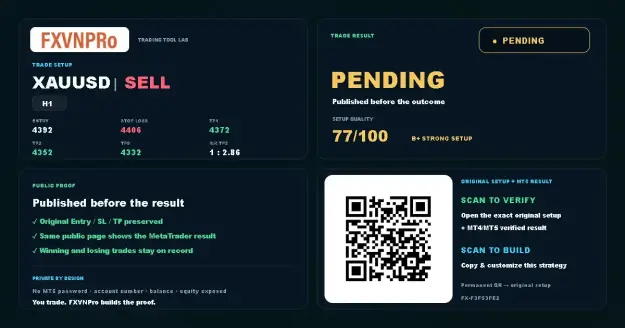 1 · SETUP
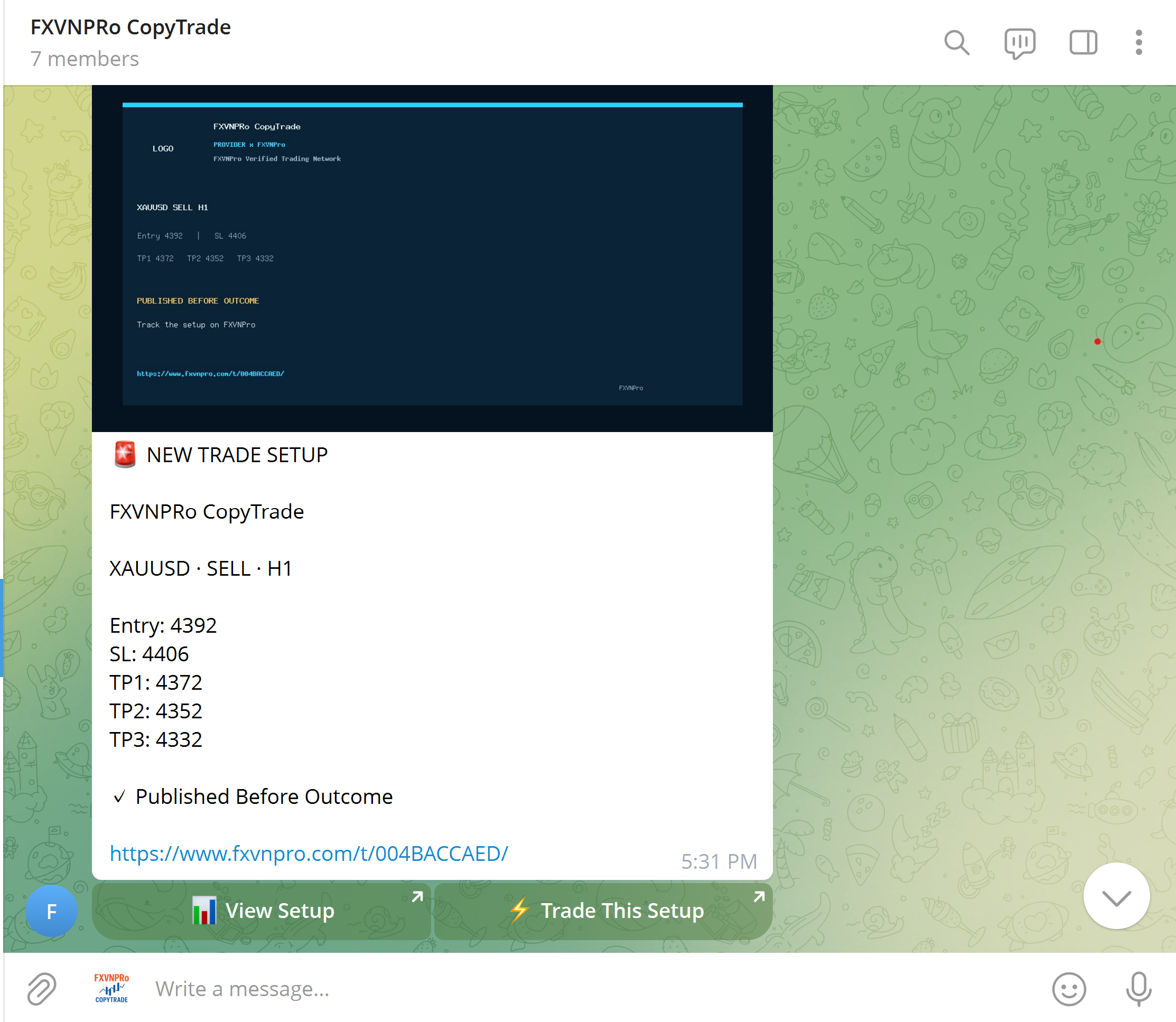 2 · TELEGRAM
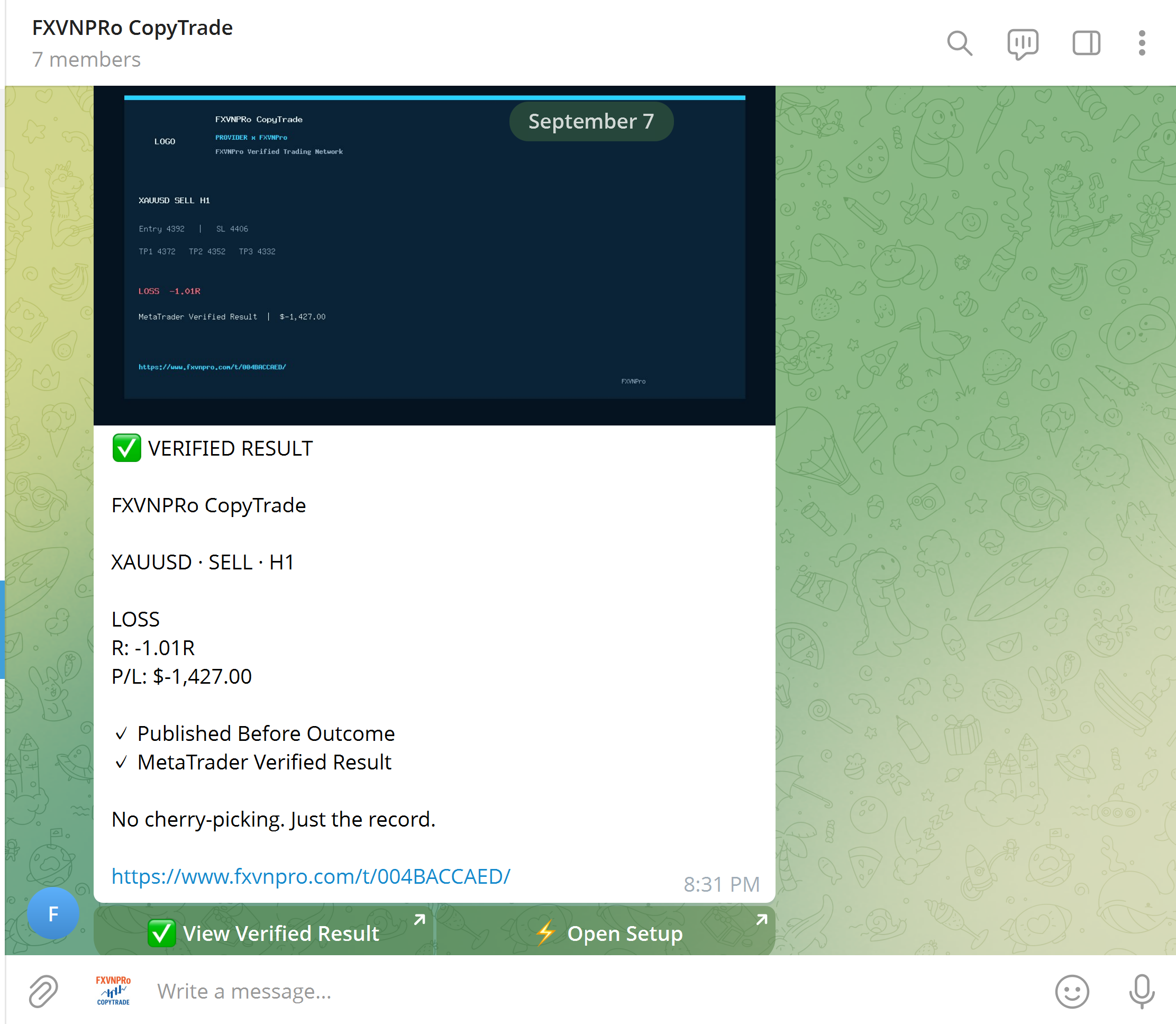 3 · VERIFIED
FXVNPro connects trade plans, Telegram trading communities and verified CopyTrade activity in one practical MT4/MT5 ecosystem.
Turn Entry, Stop Loss and Targets into a trade plan. Publish it before the outcome, then track and verify the result.
Turn Telegram signals into actionable MT4/MT5 setups. Signal Admins create the strategy while Members stay in control of risk.
Discover TRADERs, inspect verified trading history and performance, then decide who you want to follow across MT4 & MT5.
Build your strategy, distribute it to a community, or follow trading activity across MT4 & MT5.
Create Entry, Stop Loss and Targets before the outcome, then build a verified trading record.
Turn Telegram signals into an actionable workflow while followers keep control of their own risk.
Connect Chrome to MT4 or MT5 and open, modify or close trades from your browser.
Explore Masters and copy trading activity to your own MT4 or MT5 terminal with independent risk rules.